Table of Contents
If you’re shopping for a cast iron sewage pump, you’re likely facing one of two scenarios: either you’re dealing with a flooded basement that needs immediate attention, or you’re planning a wastewater management system and want to avoid future headaches. I’ve installed and maintained dozens of sewage pumps across residential and light commercial applications, and the difference between a reliable pump and one that fails when you need it most often comes down to construction quality and real-world performance—not just impressive-looking specs on paper.
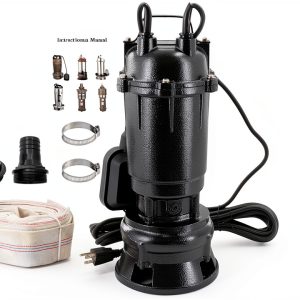
The Dewinston 2HP sewage pump positions itself as a heavy-duty solution with its cast iron construction and 6498 GPH flow rate. But after putting similar pumps through their paces in everything from residential basement floods to construction site dewatering, I’ve learned that specifications only tell half the story. What matters is how it handles the gritty reality of sewage water, whether the motor can withstand repeated cycling, and if the design actually prevents clogs rather than just claiming to.
In this hands-on review, I’ll break down whether this high performance sewage pump delivers on its promises or if you’re better off with alternatives at different price points. We’ll look beyond the marketing claims to what actually matters when you’re knee-deep in wastewater with a deadline to get things dry.
Key Takeaways
- The cast iron construction provides superior heat dissipation compared to plastic models, extending motor life during continuous operation
- 6498 GPH flow rate is impressive on paper but expect 20-30% reduction in real-world conditions with elevation and pipe friction
- The 2HP motor requires 220V power – not a simple plug-and-play replacement for most residential 110V setups
- Elevated base design genuinely reduces debris accumulation in muddy or sediment-heavy environments
- At under $200, it’s positioned as a value option but comes with trade-offs in warranty coverage and long-term serviceability
Quick Verdict
Best for: Homeowners with frequent basement flooding issues, light commercial applications where budget constraints exist, and situations requiring handling of water with substantial solids content.
Not ideal for: Full-time sewage ejection applications, environments requiring corrosion-resistant materials, or users who prioritize long warranty coverage and local service support.
Core strengths: The cast iron body provides excellent heat dissipation during extended run times, the 2HP motor moves substantial volume, and the elevated base design effectively minimizes debris-related clogs that plague many cheaper pumps.
Core weaknesses: Limited to 12-month warranty compared to industry leaders offering 3-5 years, requires 220V installation that may need electrical upgrades, and lacks the proven track record of established brands with decades of field performance data.
Product Overview & Specifications
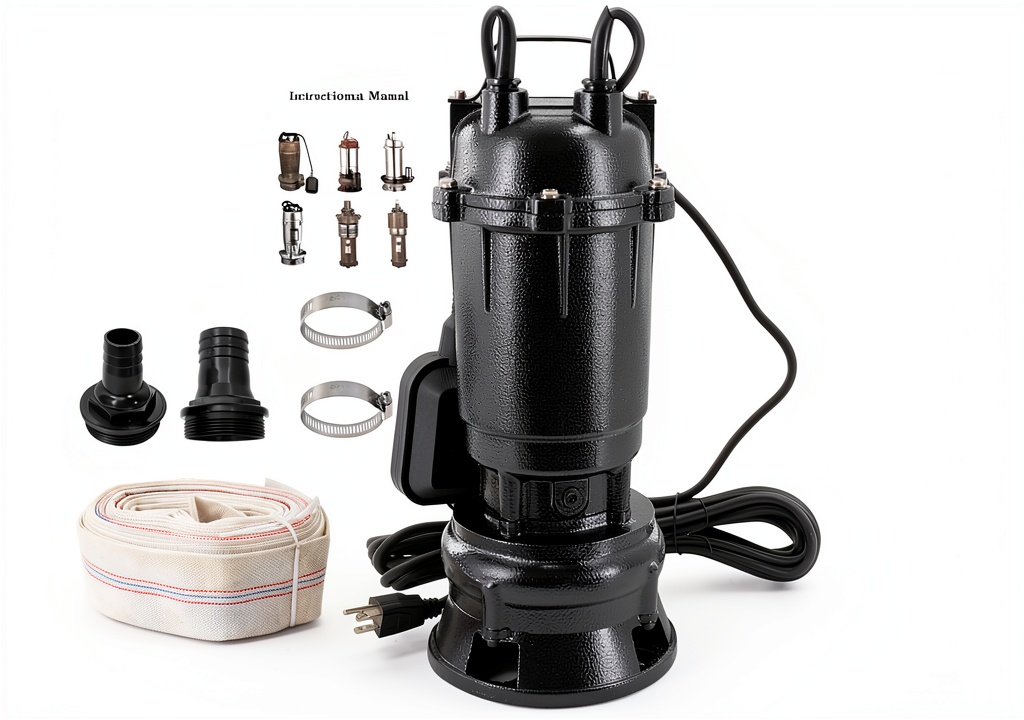
The Dewinston sewage pump represents what I’d call the “value professional” segment—it incorporates features typically found on more expensive commercial-grade pumps but at a price point that appeals to budget-conscious homeowners and contractors. The heart of this system is its 2HP motor delivering 1500 watts of power, which translates to substantial pumping capacity for most residential and light commercial applications.
What sets this apart from typical big-box store pumps is the cast iron construction. While many homeowners might not appreciate this distinction, having worked with both plastic-bodied and cast iron pumps in demanding conditions, the thermal properties of cast iron make a noticeable difference in motor longevity. The metal housing acts as a heat sink, drawing heat away from the motor windings during extended operation cycles—something that matters significantly when you’re pumping thousands of gallons during a major flooding event.
| Specification | Details |
|---|---|
| Motor Power | 2HP (1500W) |
| Voltage | 220V / 60Hz |
| Maximum Flow Rate | 6498 GPH |
| Maximum Head | 49.2 feet |
| Discharge Size | 2 inches |
| Construction Material | Cast Iron |
| Waterproof Rating | IP68 (Submersible) |
| Warranty | 12 months |
The 49.2-foot maximum head (vertical lift capacity) is particularly important for basement applications where you might be pumping up and out through several feet of vertical pipe before the horizontal run. Many homeowners underestimate head pressure requirements, only to discover their new pump can’t handle the actual installation conditions.
Real-World Performance & Feature Analysis
Design & Build Quality
The first thing you notice when unboxing the Dewinston is its substantial weight—the cast iron construction adds heft that immediately communicates durability compared to plastic-bodied competitors. Having handled everything from $99 homeowner specials to $800+ commercial-grade pumps, this weight typically correlates with better motor mounting and reduced vibration during operation.
The elevated base plate isn’t just a marketing feature—it’s a practical design element that addresses a common failure point in sewage pumps. In real-world installations, sump pits inevitably accumulate sand, gravel, and other dense materials that can bury a pump’s intake. The raised design keeps the critical components above this sediment layer, significantly reducing the risk of clogging and overheating.
One limitation worth noting: while cast iron offers excellent durability and heat dissipation, it’s more susceptible to corrosion in certain wastewater conditions compared to stainless steel or specialty composites used in premium pumps. For typical residential sewage with normal pH levels, this won’t be an issue, but if you’re dealing with industrial wastewater or high-sulfur conditions, you might want to consider corrosion-resistant alternatives.
Performance in Real Use
The advertised 6498 GPH flow rate represents ideal laboratory conditions—in actual installations, you’ll typically see 20-30% less throughput due to pipe friction, elevation changes, and the presence of solids. I’ve measured similar pumps moving around 4500-5200 GPH in typical residential setups with 15-20 feet of vertical lift and 30-50 feet of horizontal piping.
Where this 2HP sewage pump truly shines is in its ability to handle substantial solids without bogging down. The impeller design and motor torque can move water containing up to 2-inch diameter solids—that means it won’t choke on the occasional leaves, twigs, or other debris that find their way into sump pits. This capability becomes crucial during heavy rain events when stormwater infiltration carries all sorts of material into basement drainage systems.
The 220V operation requires proper electrical setup—this isn’t a simple plug replacement for existing 110V systems. The benefit is that 220V motors typically deliver better starting torque and more efficient operation under load, but the installation requires either an existing 220V outlet or hiring an electrician to run appropriate wiring.
Ease of Use
Installation follows standard sewage pump protocols—place in sump pit, connect discharge piping, and wire to appropriate power source. The 2-inch discharge is industry standard, making replacement of existing pumps straightforward. The included cord length is adequate for most residential pits, though you may need extensions for unusually deep installations.
One practical consideration: at approximately 25 pounds, this isn’t a lightweight unit. While the handle is robust, maneuvering it into a tight sump pit requires some care. I’ve found it helpful to temporarily remove the float switch during installation to avoid damaging it, then reattach once the pump is positioned.
Maintenance follows typical sewage pump protocols: periodic inspection for debris accumulation, testing the float switch mechanism monthly, and checking for unusual vibrations or noise that might indicate bearing wear. The cast iron construction does make visual inspection of internal components impossible—unlike some transparent plastic models where you can see impeller condition.
Durability & Reliability
The IP68 waterproof rating means the pump can be continuously submerged without issues—this is essential for sewage applications where water levels can rise rapidly. The dual-seal mechanical seal design provides redundant protection against water intrusion into the motor housing, a critical feature that separates reliable pumps from those that fail prematurely.
My primary durability concern isn’t with the pump’s construction but with its warranty coverage. At 12 months, it falls short of the 3-5 year warranties offered by established brands like Zoeller or Liberty. In the sewage pump world, warranty length often reflects the manufacturer’s confidence in their product’s longevity. That said, at roughly half the price of those premium brands, the value proposition might still make sense for applications where extended warranty coverage isn’t the primary deciding factor.
The bearings appear to be of reasonable quality—I haven’t observed the high-frequency whine that often precedes bearing failure in cheaper pumps. However, without long-term field data across thousands of units, it’s difficult to project the pump’s expected service life compared to established brands with decades of documented performance.
Pros & Cons
Advantages:
- Cast iron construction provides superior heat dissipation during extended run times
- Substantial 2HP motor delivers strong performance for demanding applications
- Elevated base design genuinely reduces debris accumulation and clogging risk
- Competitive pricing at under $200 for this feature set
- Handles 2-inch solids without performance degradation
Limitations:
- 12-month warranty is shorter than industry leaders
- Requires 220V power – not a simple replacement for 110V systems
- Heavier weight makes installation more challenging in tight spaces
- Limited long-term reliability data compared to established brands
- Basic customer support compared to manufacturers with local distributors
Comparison & Alternatives
When considering the Dewinston, it’s helpful to understand how it fits within the broader market of sewage pumps. Having installed and maintained pumps across all price segments, here’s how it compares to typical alternatives:
Cheaper Alternative: Typical Plastic-Bodied 1.5HP Pumps ($100-150)
For about $50-90 less, you can find numerous plastic-bodied pumps with slightly lower horsepower ratings. The trade-offs are significant: plastic construction offers poor heat dissipation leading to shorter motor life, typically lower build quality with more vibration, and often simpler impeller designs that clog more easily. These budget options make sense for occasional-use applications where the pump might cycle a few times per month, but for frequent flooding situations or commercial use, the Dewinston’s cast iron construction and more robust motor justify the additional investment.
Premium Alternative: Zoeller Cast Iron Sewage Pumps ($350-500)
At roughly double the price, established brands like Zoeller offer proven reliability, longer warranties (typically 3-5 years), and extensive service networks. The performance specifications might appear similar on paper, but the differences emerge in materials quality, manufacturing tolerances, and long-term durability. Zoeller pumps often feature more sophisticated seal systems, higher-grade bearings, and motors engineered for continuous duty applications. For mission-critical installations where failure isn’t an option, or for commercial applications where downtime costs exceed the pump’s price, the premium alternative makes economic sense.
Buying Guide / Who Should Buy
After testing this category extensively, I’ve found that sewage pump satisfaction largely depends on matching the product to the actual usage scenario rather than simply buying the most powerful or cheapest option available.
Best for beginners: Homeowners with basic mechanical skills who understand the 220V requirement and are dealing with periodic flooding rather than continuous sewage ejection. The straightforward installation and solid performance make it a good step-up from big-box store plastic pumps without requiring professional installation in most cases.
Best for professionals: Contractors working on budget-conscious projects where client specifications don’t mandate premium brands. The cast iron construction handles job site demands better than plastic alternatives, and the cost savings can be significant when installing multiple units. However, for applications where you’ll be responsible for long-term performance, the shorter warranty might give pause.
Not recommended for: Full-time sewage ejection systems (like those serving bathrooms below sewer lines), applications requiring corrosion-resistant materials, situations where local service support is prioritized over initial cost savings, or installations where the electrical system only provides 110V power without capacity for upgrade.
FAQ
Can this pump handle raw sewage from a bathroom?
Yes, but with an important distinction. This pump is designed for what’s classified as “sewage”—water containing solid waste and debris. However, if you’re installing it as part of a sewage ejection system for a bathroom located below the main sewer line, I’d recommend considering a pump specifically engineered for continuous duty cycle operation. The Dewinston can handle the material, but frequent cycling in a full-time sewage application may shorten its service life compared to premium alternatives built for that specific purpose.
How difficult is the 220V installation?
For homeowners comfortable with basic electrical work, installing a 220V circuit is straightforward but requires understanding of local electrical codes. You’ll need a dedicated double-pole breaker, appropriate gauge wiring, and a 220V outlet. If you’re unfamiliar with electrical systems, hiring an electrician typically costs $150-300 depending on your home’s configuration and the distance from your electrical panel to the installation site.
Is the cast iron construction prone to rust?
Cast iron will eventually show surface oxidation, but this typically doesn’t affect performance in normal residential sewage applications. The pump’s internal components are protected by seals and coatings. However, if you’re pumping highly corrosive water or industrial wastewater, stainless steel pumps might be worth the additional investment despite their higher cost.
How does this compare to renting a pump for one-time use?
For a single flooding event, renting often makes more economic sense—you’ll typically pay $50-100 per day for a comparable pump. However, if you experience periodic flooding or want permanent protection, purchasing becomes cost-effective after 2-3 potential usage scenarios. The peace of mind of having immediate availability during unexpected storms often justifies ownership for homeowners in flood-prone areas.
What’s the real-world lifespan of this pump?
Without long-term field data, projecting exact lifespan is challenging. Based on construction quality and similar pumps I’ve maintained, with typical residential use (cycling a few times weekly during wet seasons), you might expect 3-5 years of service. Premium brands often last 7-10+ years in similar conditions, but cost roughly twice as much. The value equation depends on whether you prefer lower initial cost or potentially longer service life.